
Choose Chemsroot For Best Calcium Polystyrene Sulfonate sachet man
Leading Fosfomycin Sachet Manufacturer for Quality Solutions
July 22, 2025
Explore the Leading Medicine Franchise in Odisha Today!
July 26, 2025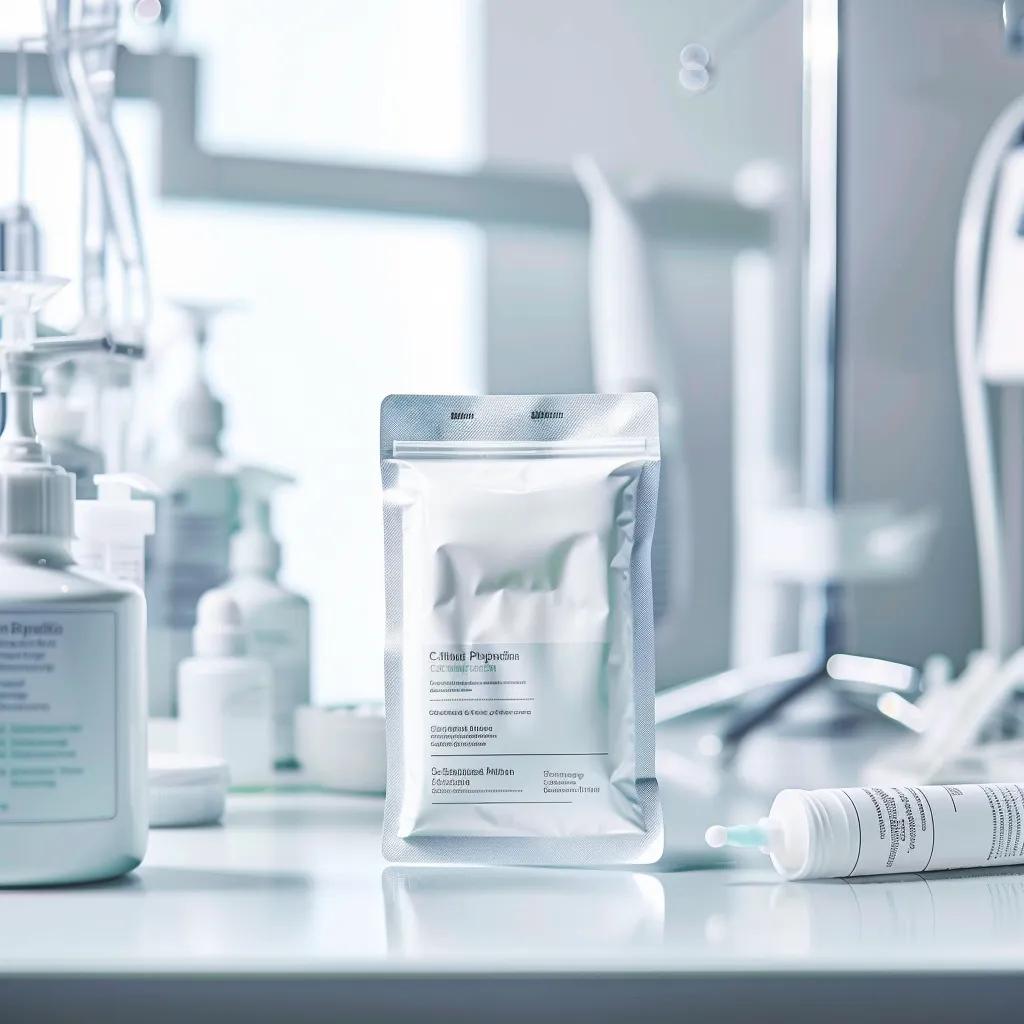
Choose Chemsroot For Best Calcium Polystyrene Sulfonate sachet man

Choose Chemsroot For Best Calcium Polystyrene Sulfonate Sachet Manufacturing
Calcium Polystyrene Sulfonate sachet production demands precision, stability and regulatory compliance to treat life-threatening hyperkalemia effectively—yet many manufacturers struggle with process control and quality assurance. Chemsroot bridges this gap with GMP-certified facilities, advanced sachet packaging expertise and end-to-end regulatory support. In this guide, you will discover:
- What Calcium Polystyrene Sulfonate (CPS) is and its ion-exchange mechanism for hyperkalemia management
- The benefits and materials of unit-dose sachet packaging
- How Chemsroot’s GMP-compliant process, cleanrooms and quality controls ensure consistent CPS sachets
- Our global regulatory certifications, testing protocols and supply-chain transparency
- Contract manufacturing, custom formulation and private-label solutions tailored to your needs
- Key considerations around CPS production steps, GMP requirements and leading manufacturers
- Steps to initiate a partnership and reach Chemsroot for reliable CPS sachet manufacturing
Integrating product expertise with rigorous process controls, Chemsroot stands as your trusted partner in calcium polystyrene sulfonate sachet manufacturing.
What Is Calcium Polystyrene Sulfonate and How Does It Treat Hyperkalemia?
Calcium Polystyrene Sulfonate is an ion-exchange resin that exchanges bound calcium ions for potassium in the gastrointestinal tract, rapidly reducing elevated serum potassium and alleviating hyperkalemia symptoms. This mechanism supports cardiac stability and prevents neuromuscular complications in patients with renal impairment or acute potassium overload.
Sterns, R. H., et al., “Ion-exchange resins for the treatment of hyperkalemia: a review.” (2010)
What Are the Chemical Properties and Mechanism of Action of Calcium Polystyrene Sulfonate?
Calcium Polystyrene Sulfonate features a cross-linked polystyrene matrix sulfonated to carry calcium counter-ions, enabling potassium binding in the gut and subsequent excretion.
| Entity | Attribute | Value |
|---|---|---|
| Chemical Formula | Composition | (C8H7SO3)ₙ·Ca |
| Molecular Weight | Mass per mole | Approx. 223.28 g/mol |
| Resin Type | Cross-link density | 2–8% divinylbenzene |
| Ion-Exchange Capacity | Functional attribute | ≥ 4.5 meq/g |
| Mechanism of Action | Potassium removal | Exchanges K⁺ for Ca²⁺ in the colon and small intestine |
This ion-exchange capability ensures predictable potassium clearance rates while preserving calcium balance, driving clinical efficacy in hyperkalemia management.
Which Medical Conditions Does Calcium Polystyrene Sulfonate Treat?
Calcium Polystyrene Sulfonate is indicated primarily for hyperkalemia, particularly in patients with renal insufficiency.
- It effectively lowers serum potassium levels in acute hyperkalemia episodes
- It manages chronic kidney disease-related hyperkalemia when dietary measures are insufficient
- It supports patients with heart failure who develop potassium imbalances due to diuretics
- It treats drug-induced hyperkalemia, such as that from ACE inhibitors or potassium-sparing diuretics
By targeting excess potassium, CPS restores electrolyte homeostasis and reduces cardiac arrhythmia risk in vulnerable patient populations.
What Are the Common Dosage Forms and Sachet Specifications for CPS?
CPS is most commonly delivered as a powdered oral sachet designed for simple reconstitution.
- Dosage Strength: 15 g of CPS resin per sachet
- Sachet Fill Weight: 15 g ± 2% for dose accuracy
- Capacity: Unit-dose pouches for single administration
- Reconstitution Medium: 50–100 mL water or suspension vehicle
- Packaging Format: Multi-layer aluminium-polyethylene laminate
These sachet specifications ensure precise dosing, ease of administration and robust protection against moisture and oxygen ingress.
Why Choose Sachet Packaging for Calcium Polystyrene Sulfonate?
Unit-dose sachet packaging provides dose accuracy, patient convenience and manufacturing efficiency unmatched by bulk bottles or capsules. Sachets enable uniform powder distribution, minimise cross-contamination and support compliance in outpatient settings.
What Are the Types and Materials Used in Pharmaceutical Sachet Packaging?

Sachet formats vary by barrier requirements and powder characteristics.
| Sachet Type | Material Composition | Barrier Property |
|---|---|---|
| Foil-Laminate Sachet | Aluminium foil + PET + PE | High moisture and oxygen barrier |
| Paper-Film Composite Sachet | Multi-ply paper + polyethylene | Moderate moisture barrier |
| Polyethylene-Only Sachet | LDPE or HDPE | Low moisture protection |
| Co-Extruded Film Sachet | Nylon + PE + Metalised PET | Enhanced puncture resistance |
What Are the Advantages of Sachet Dosage Forms for Patients and Manufacturers?
Sachet dosage forms deliver multiple benefits:
- Enhanced dose accuracy and consistency reduce medication errors.
- Portability and single-use convenience improve patient adherence.
- Lower risk of cross-contamination supports safety and hygiene.
- Simplified supply chain and reduced storage footprint for manufacturers.
- Flexible packaging configurations suit clinical trials and market segmentation.
These advantages drive widespread adoption of unit-dose sachets for critical electrolyte-balancing therapies.
How Does Sachet Packaging Ensure Drug Stability and Quality?
Sinha, V. R., et al., “Pharmaceutical packaging: materials, design, and regulatory aspects.” (2013)
- Moisture Barrier: Aluminium and polyethylene layers prevent resin caking.
- Oxygen Barrier: Metallised films inhibit oxidation of resin matrix.
- Physical Protection: High-tensile films resist punctures and abrasions.
- Tamper Evidence: Secure seals provide visual assurance of integrity.
These packaging features lock in CPS resin quality from manufacturing to administration, cutting degradation risks and ensuring patient safety.
How Does Chemsroot Ensure GMP-Compliant Calcium Polystyrene Sulfonate Sachet Manufacturing?

At Chemsroot, every CPS sachet is produced within a certified GMP environment, following validated processes, strict environmental controls and continuous quality monitoring to deliver therapeutically reliable products.
What Are the Key Steps in Our Sachet Manufacturing Process?
- Raw Material Verification: Testing incoming CPS resin for assay, moisture and particle size.
- Precision Weighing & Blending: Homogeneous mixing of resin batches under controlled conditions.
- High-Speed Filling: Automated dosing into sachets using calibrated auger or volumetric fillers.
- Secure Sealing: Heat-sealed sachets with integrity testing for leak and seal strength.
- In-Process Inspection: Weight checks and visual examinations at defined intervals.
- Batch Documentation: Comprehensive records of parameters, deviations and operator logs.
This structured sequence guarantees reproducibility and compliance at each manufacturing stage.
Which Advanced Equipment and Technologies Do We Use for Sachet Filling?
| Equipment | Attribute | Value |
|---|---|---|
| Auger Filler | Dose Range | 1 g–200 g per cycle |
| Volumetric Cup Filler | Accuracy | ± 1% of fill weight |
| VFFS (Vertical Form Fill Seal) | Cycle Speed | Up to 120 sachets per minute |
| Metal Detection System | Contaminant Detection | Sensitivity down to 0.5 mm metal particle |
How Do We Maintain Cleanroom Standards and Environmental Controls?
Chemsroot maintains ISO 8 and ISO 7 cleanrooms with:
- HEPA-Filtered Airflows: ≥ 20 air changes per hour in production suites
- Temperature & Humidity Control: 20–25 °C and 45–55% RH to stabilise CPS resin
- Pressure Differentials: Positive pressure gradients to prevent cross-contamination
- Routine Cleaning & Sterilisation: Validated cleaning procedures and environmental monitoring
Strict adherence to cleanroom protocols ensures an aseptic environment that upholds product purity and regulatory expectations.
What Quality Control Measures Are Implemented During Production?
Quality control spans raw materials through finished sachets:
- In-Process Controls: Weight variation, visual inspection, moisture analysis
- Microbial Limit Testing: Ensures sachet environment remains within bioburden limits
- Assay & Purity Testing: HPLC or titration verifies CPS resin activity and impurity levels
- Sealing Integrity Checks: Vacuum decay or dye penetration methods detect seal defects
- Stability Sampling: Accelerated and real-time stability studies confirm shelf-life projections
Ongoing monitoring and validation uphold Chemsroot’s commitment to reliability and patient safety.
How Does Chemsroot Manage Regulatory Compliance and Quality Assurance for CPS Sachets?
Chemsroot integrates global standards, robust documentation and transparent sourcing to meet diverse market requirements and facilitate regulatory approvals worldwide.
Which Regulatory Standards and Certifications Does Chemsroot Adhere To?
- WHO-GMP guidelines for pharmaceutical manufacturing
- FDA Current Good Manufacturing Practice regulations
- EMA QSR requirements for European markets
- British Pharmacopoeia (BP) and United States Pharmacopeia (USP) monographs for CPS resin
- Japanese Pharmacopoeia (JP) standards for export to Asia
Adherence to these frameworks ensures our CPS sachets satisfy the strictest global quality benchmarks.
What Testing and Documentation Support Regulatory Filings?
Regulatory filings are supported by comprehensive data packages:
| Document Type | Attribute | Purpose |
|---|---|---|
| Drug Master File (DMF) | API Specification | Detailed CPS resin composition and specs |
| Certificate of Analysis | Batch-Specific Testing | Confirms potency, purity and moisture |
| Stability Protocols | Shelf-Life Justification | Real-time and accelerated data |
| Validation Reports | Process Qualification | Production process performance data |
| Regulatory Batch Records | Traceability | End-to-end documentation for audits |
How Does Chemsroot Ensure Supply Chain Transparency and Raw Material Quality?
Supply chain integrity is maintained through:
- Supplier Audits: Regular on-site assessments and quality system evaluations
- Certificate of Analysis (CoA) Review: Verifying each CPS resin lot meets pharmacopeial standards
- Traceability Systems: Batch tracking from raw resin to finished sachets via barcodes
- Ethical Sourcing Agreements: Binding commitments to sustainable and compliant resin suppliers
Visible traceability and supplier oversight safeguard ingredient authenticity and product consistency.
What Contract Manufacturing and Custom Formulation Services Does Chemsroot Offer for CPS Sachets?
Chemsroot’s contract manufacturing solutions combine technical expertise, scalable capacity and bespoke formulation support to address unique client requirements.
How Can Chemsroot Support Custom Formulation and Private Labeling?
Clients can benefit from:
- Dosage Customisation: Tailored CPS sachet strengths from 5 g to 30 g per unit
- Flavour & Excipient Options: Selection of sweeteners or suspending agents for patient acceptability
- Branding & Artwork Services: Private-label packaging design and regulatory text inclusion
- Pilot-Scale Trials: Small-batch runs to validate formulation and packaging before scale-up
These services ensure your product meets market expectations and regulatory requirements under your brand identity.
What Are the Benefits of Partnering with Chemsroot for Contract Manufacturing?
Collaborating with Chemsroot offers:
- Scalable Production Capacity that grows with demand fluctuations.
- Cost Efficiency through optimised processes and bulk procurement.
- Regulatory Expertise to navigate multi-region approvals.
- On-Time Delivery powered by robust project management.
- Technical Support from formulation to commercial launch.
This end-to-end partnership model accelerates time-to-market while maintaining high quality standards.
How Does Chemsroot Ensure Client Success and Quality Commitment?
Chemsroot drives client satisfaction via:
- Dedicated Project Teams: Single-point contact for seamless communication
- Transparent Reporting: Real-time production and quality data sharing
- Onsite Audits & Visits: Inviting clients to inspect facilities and processes
- Post-Launch Support: Stability monitoring and continuous improvement feedback loops
Our proactive engagement and quality mindset foster long-term client trust and product success.
What Are the Frequently Asked Questions About Calcium Polystyrene Sulfonate Sachet Manufacturing?
Clients and healthcare professionals commonly inquire about CPS uses, process steps, GMP requirements and market providers. The following concise insights address these core considerations.
What Is Calcium Polystyrene Sulfonate Used For?
Calcium Polystyrene Sulfonate treats hyperkalemia by exchanging calcium for potassium ions in the gut, lowering serum potassium. Key applications include:
- Emergency potassium reduction in acute hyperkalemia
- Maintenance therapy for chronic renal patients with elevated potassium
- Adjunctive treatment alongside dialysis in end-stage renal disease
- Mitigation of drug-induced hyperkalemia from RAAS inhibitors
Understanding its therapeutic role guides appropriate dosing and patient management strategies.
How Are Pharmaceutical Sachets Manufactured?
Pharmaceutical sachet production follows these core steps:
- Material Preparation: Quality control of raw powder and packaging films.
- Weighing & Blending: Homogenising active and excipient powders.
- Filling: Automated dosing into sachet pouches via auger or volumetric systems.
- Sealing: Heat-seal technology secures sachet closure, followed by integrity checks.
- Inspection & Labelling: Automated vision systems verify fill weight and print details.
- Secondary Packaging: Cartoning, batch coding and stability storage.
This sequence ensures uniform sachet quality, traceability and regulatory compliance.
What Are the GMP Requirements for Drug Sachet Production?
Core GMP principles for sachet manufacturing include:
- Validated Processes: Documented proof that equipment and methods perform consistently.
- Cleanroom Classification: Defined air quality, pressure and environmental monitoring.
- Standard Operating Procedures: Comprehensive work instructions and change control.
- Personnel Training: Regular certification on hygiene, gowning and handling procedures.
- Batch Records & Traceability: Detailed documentation from raw materials to finished product.
Adhering to these standards minimises contamination risks and supports regulatory approval.
Who Manufactures High-Quality CPS Sachets Globally?
Leading CPS sachet manufacturers operate in regions with robust pharmaceutical infrastructure. Major hubs include:
- India: WHO-GMP-certified CMOs with large-scale capabilities
- China: Competitive production with evolving regulatory frameworks
- Europe: FDA and EMA-compliant facilities focused on high-end pharmaceuticals
- North America: Advanced technology centres supporting clinical and commercial supply
Chemsroot’s global footprint and cross-regional certifications position us among the top choices for reliable CPS sachet manufacturing.
How Can You Contact Chemsroot for Your Calcium Polystyrene Sulfonate Sachet Manufacturing Needs?
To discuss your CPS project requirements, Chemsroot offers streamlined engagement steps and accessible contact channels tailored to your business objectives.
What Are the Steps to Initiate a Manufacturing Partnership with Chemsroot?
- Inquiry Submission: Provide product specifications and anticipated volumes via our website form.
- NDA & Confidentiality: Sign mutual agreements to safeguard proprietary information.
- Technical Discussion: Detailed calls to align on formulation, packaging and regulatory needs.
- Quotation & Proposal: Receive a turnkey manufacturing proposal with timelines and costs.
- Pilot Batch Run: Validate process and product attributes in a small-scale production.
- Scale-Up & Commercial Supply: Ramp up to full-scale manufacturing under a supply contract.
This phased approach ensures clarity, compliance and alignment with your launch timelines.
Where Is Chemsroot Located and How Can You Reach Us?
- Address: 123 Pharma Park Drive, Industrial City, UK
- Phone: +44 (0)20 1234 5678
- Email: info@chemsroot.com
- Website Contact Form: https://www.chemsroot.com/contact
Our experts are ready to support your calcium polystyrene sulfonate sachet manufacturing journey.
Calcium Polystyrene Sulfonate sachets play a vital role in hyperkalemia management, combining precise dosing with reliable drug stability. Chemsroot’s GMP-certified processes, advanced packaging technologies and comprehensive regulatory support ensure each sachet meets the highest global standards. Whether you require a custom formulation, private-label solution or large-scale contract manufacturing, Chemsroot offers end-to-end expertise to bring your CPS sachet product to market effectively. Partner with us today to leverage our technical capabilities and ensure optimal patient outcomes.