
Best Syrup Manufacturers in India Trusted by Local Businesses
Choosing a PCD Pharma Franchise in Chandigarh for Growth
June 8, 2025The Impact of Digital Technology on Everyday Life
June 16, 2025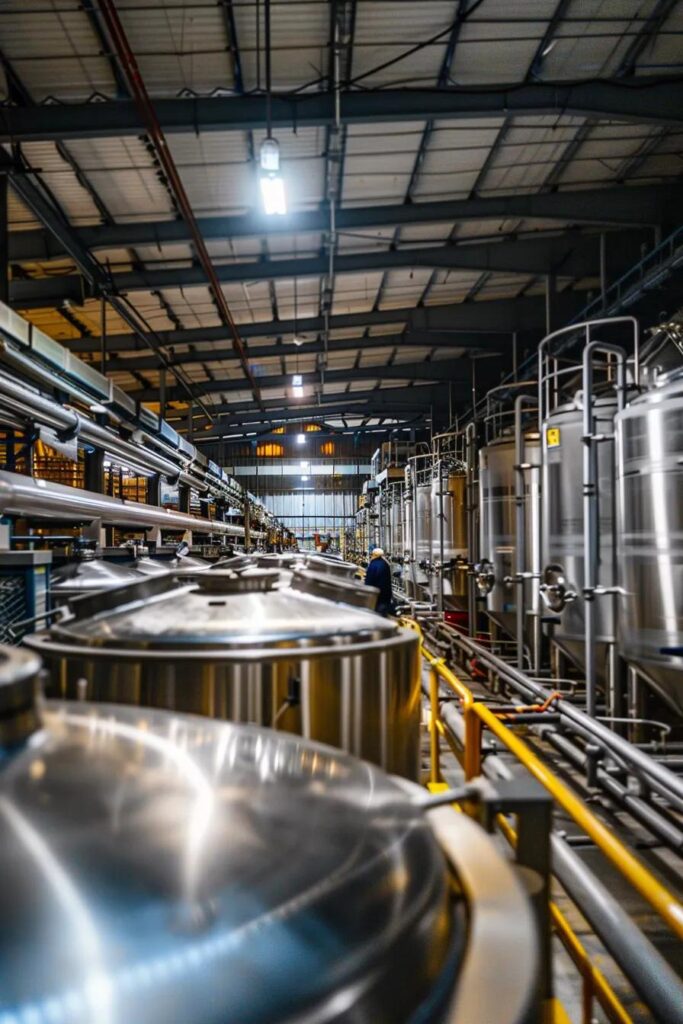
Syrup Manufacturers in India
The Landscape of Syrup Manufacturers in India
The syrup manufacturing industry in India is a complex ecosystem with diverse production capacities and numerous players catering to pharmaceutical, herbal, nutritional, and cosmetic segments. Manufacturers produce formulations such as lactulose, inverted sugar syrup, and multivitamin syrups for both domestic and international markets. Technological upgrades, strict adherence to good manufacturing practices (GMP), and robust regulatory compliance have all contributed to the industry’s evolution.
An Overview of Syrup Production Capacity in India
Syrup production in India ranges from small batch operations in rural areas to large, state-of-the-art industrial plants. Many facilities operate with high-speed mixing and bottling lines, and some large units produce over 10,000 litres per batch. This capacity stems from ongoing investments in research and development, process optimisation, and strict adherence to international regulatory standards, ensuring that formulations meet quality and safety benchmarks.
Regional Distribution of Syrup Manufacturing Units
The industry is regionally concentrated in states such as Maharashtra, Gujarat, and Karnataka, which boast strong pharmaceutical infrastructures, skilled human resources, and favourable regulations. Andhra Pradesh and Tamil Nadu add significant expertise in herbal and ayurvedic formulations, while northern states like Haryana and Punjab are emerging due to improved infrastructure and export opportunities. Regional strengths are often linked to locally sourced high-quality sugar and specialty minerals, contributing to manufacturers’ specialisations in nutritional supplements or cosmetic syrups.
Growth Trends for Syrup Producers in the Indian Market
Growth in the industry is driven by rising domestic and global demand. Companies are expanding production, diversifying product ranges, and engaging in contract manufacturing agreements with international brands. Enhanced public health awareness, innovation in research and development, and biotechnological advancements have spurred new formulation developments. Furthermore, attractive government export incentives and adherence to guidelines by the World Health Organization and the US Food and Drug Administration have helped Indian manufacturers secure competitive positions globally.
Regulatory Standards Governing Syrup Manufacturing in India
Compliance with international and national standards is crucial. Indian manufacturers must adhere to the Indian Pharmacopoeia, GMP, and Food and Drug Administration of India guidelines. Regular audits, batch testing, and strict quality control processes ensure purity, potency, and safety. Many manufacturers also secure certifications from global bodies like WHO and US FDA, demonstrating their commitment to rigorous quality benchmarks and international regulatory compliance.
Identifying a Reputable Syrup Manufacturer in India

Choosing a reputable syrup manufacturer is critical for businesses and healthcare organisations seeking reliable, high-quality products. Evaluators must consider production capacity, quality certifications, and compliance history. Clear criteria and verification processes help in selecting the right manufacturing partner.
Criteria for Evaluating a Syrup Manufacturer in India
Key criteria include production capacity, adherence to GMP, quality control protocols, research and development capabilities, and technological infrastructure. A reputable manufacturer should provide comprehensive documentation such as batch records and audit reports. Certifications like ISO, WHO GMP, and FDA approval further attest to a manufacturer’s reliability and their ability to deliver consistent product quality.
Verifying Credentials of Indian Syrup Suppliers
Evaluating a manufacturer involves reviewing certifications, audit reports, and compliance records. Third-party inspection reports, customer testimonials, and records of partnerships with established pharmaceutical brands are useful in appraising supplier reliability. Facilities audited by recognised international bodies and transparent reporting practices indicate a strong commitment to quality assurance.
Finding a Manufacturer for Specific Syrup Formulations
Different syrup products require specialised processes. For example, nutraceutical, herbal ayurvedic, and pharmaceutical cough syrups each demand unique raw materials and methodologies. Manufacturers with proven expertise in the required category are ideal, especially those offering research and development services to tailor formulations (e.g., flavour masking for bitter ingredients or viscosity modification for better patient compliance).
Questions to Ask Potential Syrup Manufacturers in India
To ensure a good partnership, ask: – What are your production capacities and lead times for bulk orders? – Which quality certifications do you currently hold? – Can you detail your quality control and testing protocols? – Do you offer customised formulation services and what is your process? – How do you manage raw material sourcing and supplier audits? – What measures do you use to maintain batch-to-batch quality consistency?
These questions help assess technical capabilities and a manufacturer’s commitment to transparency and continuous improvement.
Pharmaceutical Syrup Manufacturers in India and Their Specialisations
Pharmaceutical syrup manufacturers in India play a pivotal role in supplying therapeutic syrups for various health conditions. Their expertise is built on strong GMP adherence, innovative formulation strategies, and consistent efficacy.
The Importance of Good Manufacturing Practices for Pharmaceutical Syrups
GMP is the backbone of pharmaceutical production. It includes maintaining sterile environments, rigorous documentation, validated processes, and strict quality controls. Such practices reduce the risk of contaminants and ensure that products meet potency and purity standards consistently, thereby building consumer trust and ensuring compliance with both domestic and international regulatory bodies.
Types of Pharmaceutical Syrups Produced in India
Indian manufacturers produce a diverse range of pharmaceutical syrups including antitussive and expectorant formulations for cough relief, nutritional syrups enriched with vitamins and minerals, and specialised paediatric syrups. Many products blend active pharmaceutical ingredients with sweeteners and flavouring agents to improve patient acceptability. Customised solutions are also available, catering to the unique needs of healthcare providers and national health programmes.
Leading Pharmaceutical Syrup Manufacturing Companies
Several Indian companies have earned global recognition for manufacturing high-quality syrup products. These companies operate advanced facilities, invest significantly in research, and maintain stringent quality controls. Many are involved in contract manufacturing, enabling other brands to leverage their expertise while ensuring consistent quality and reliability in both domestic and export markets.
Contract Manufacturing Options With Pharmaceutical Syrup Producers
Contract manufacturing is an attractive option for businesses seeking to outsource production. Indian manufacturers offer comprehensive services covering formulation development, production, quality testing, and packaging. This approach reduces production costs, accelerates time-to-market, and provides scalability without the need for significant capital investment in production facilities.
Diverse Product Ranges From Syrup Manufacturers in India

Indian syrup manufacturers offer a wide variety of products to meet different market needs—from traditional herbal remedies to modern nutritional supplements and customised pharmaceutical solutions.
Herbal and Ayurvedic Syrup Manufacturers in India
With a rich heritage in herbal medicine, many manufacturers specialise in producing herbal and ayurvedic syrups using natural plant extracts, herbs, and minerals. These formulations, often based on ancient recipes validated by modern research, cater to consumers seeking natural health solutions for issues such as digestion, respiratory problems, and general wellness.
Manufacturers of Nutritional and Dietary Supplement Syrups
The growing demand for nutritional supplements has led manufacturers to develop liquid formulations that deliver essential vitamins, minerals, proteins, and antioxidants. These syrups, which are easier to consume than tablets or capsules, cater especially to children, the elderly, and those with digestive challenges. Ingredients such as calcium, vitamin D, and various essential minerals are commonly included to support overall wellness.
Custom Syrup Formulation Services Offered
Customization is a key strength in this industry. Many manufacturers offer bespoke formulation services to meet the unique needs of pharmaceutical companies, nutraceutical firms, and cosmetic brands. These services cover research and development, pilot testing, and prototype formulation to ensure that each syrup is optimised for therapeutic efficacy, flavour, texture, and packaging.
Packaging Solutions Provided by Syrup Manufacturers in India
Innovative packaging is critical in maintaining product stability and extending shelf life. Manufacturers use HDPE bottles, glass containers, and advanced dispensing mechanisms to ensure product integrity and enhance consumer convenience. Improved packaging also helps differentiate products in competitive markets, contributing to better branding and customer satisfaction.
Quality Assurance and Certifications for Syrup Manufacturers in India
Quality assurance is at the heart of syrup manufacturing. Significant investments are made in quality control systems covering every stage from raw material sourcing to final product testing.
Common Quality Certifications Held by Indian Syrup Producers
Reputable manufacturers secure certifications such as ISO 9001, WHO GMP, and approvals from the US FDA and European Medicines Agency. These certifications confirm adherence to international standards and help access global markets. Regular audits and compliance checks ensure that manufacturing processes remain consistent and any deviations are quickly corrected.
Raw Material Sourcing and Quality Control Processes
The quality of a syrup is closely tied to its raw materials. Manufacturers implement rigorous sourcing strategies involving supplier audits, regular testing, and batch certifications. Whether dealing with high-grade sugar, herbal extracts, or active pharmaceutical ingredients, every raw material undergoes physical, chemical, and microbiological testing to confirm purity and efficacy, with controls maintained throughout storage and processing.
Testing Protocols for Finished Syrup Products
Finished products are tested using methods such as high-performance liquid chromatography (HPLC) and microbiological assays. Physical tests also verify parameters like viscosity and uniformity, ensuring each batch meets predetermined specifications and adheres to both domestic and international standards.
Adherence to International Quality Standards by Manufacturers
To compete globally, many manufacturers align their processes with international quality standards through regular external audits and continuous process improvements. Investments in advanced manufacturing technologies and internal quality controls further ensure product reliability and safety.
Partnering With Syrup Manufacturers in India

Strategic partnerships with Indian syrup manufacturers offer significant benefits for pharmaceutical companies, nutraceutical brands, and healthcare providers. These partnerships leverage manufacturing expertise, cost efficiency, and innovative technologies to streamline supply chains and reduce lead times.
Steps to Initiate Collaboration With a Syrup Manufacturer
Begin by clearly defining your requirements and researching potential suppliers. Engage in discussions to assess production capabilities, quality certifications, and support services. Facility visits, detailed conversations regarding batch sizes and lead times, and signing non-disclosure agreements are common steps to ensuring a successful partnership.
Understanding Supply Chain Capabilities of Indian Syrup Makers
A strong supply chain is essential. Indian manufacturers often have well-established logistics, inventory management systems, and distribution networks. Understanding these supply chain dynamics helps ensure that the manufacturer can handle order fluctuations and deliver products on time to both domestic and international markets.
Export Opportunities With Syrup Manufacturers in India
India’s competitive production costs, stringent quality controls, and international certifications position its manufacturers well for export. Many companies have penetrated markets in Europe, North America, and Asia by aligning with global standards. Export partnerships can also pave the way for research collaborations, technology transfers, and joint ventures.
Building Long-Term Relationships With Indian Syrup Suppliers
Long-term success is built on trust and continuous communication. A sustained partnership can offer benefits such as priority production access, better pricing, and customised product development. Regular performance reviews and joint strategic planning help maintain robust partnerships that encourage innovation and excellence.
Table: Comparison of Key Attributes Among Indian Syrup Manufacturers
Before forming a partnership, it is useful to compare key attributes across different manufacturers:
| Manufacturer Attribute | Production Capacity | Key Certifications | Specialisation Area | Export Reach |
|---|---|---|---|---|
| Large-scale Unit | 10,000+ litres per batch | ISO, WHO GMP, US FDA | Pharmaceutical, Nutraceutical Syrups | Global (Europe, North America) |
| Mid-size Specialist | 5,000–10,000 litres per batch | WHO GMP, ISO | Herbal, Ayurvedic Formulations | Asia, Middle East |
| Custom Formulation Provider | Varied based on project | ISO, WHO GMP | Contract Manufacturing, Custom Formulations | Emerging Markets, Select Countries |
| Regional Supplier | 1,000–5,000 litres per batch | Local and International | Nutritional and Dietary Supplement Syrups | Domestic, Limited Exports |
This table provides a quick reference to evaluate potential partners based on production capacity, certifications, specialisation, and export reach.
Frequently Asked Questions
Q: How do Indian syrup manufacturers ensure the safety and quality of their products?
A: Manufacturers implement stringent quality control measures, including rigorous raw material verification, continuous process audits, and comprehensive batch testing. They often secure certifications such as ISO, WHO GMP, and US FDA approval to demonstrate their commitment to quality.
Q: What is the significance of good manufacturing practices (GMP) in syrup production?
A: GMP ensures that all production processes meet standardized quality benchmarks, minimizing contamination risks and ensuring the consistent efficacy and safety of syrup products.
Q: Can I obtain custom syrup formulations from Indian manufacturers?
A: Yes, many manufacturers offer customised formulation services to develop syrups tailored to specific therapeutic or consumer requirements.
Q: What export opportunities exist for syrup manufacturers in India?
A: With strict adherence to international quality standards and robust supply chain capabilities, Indian manufacturers are well-positioned to export to Europe, North America, and Asia, supported by favourable government policies.
Q: How is packaging innovation contributing to the syrup manufacturing industry in India?
A: Advanced packaging solutions like HDPE bottles, glass containers, and innovative dispensing mechanisms improve product stability, enhance branding, and offer greater consumer convenience in competitive markets.
Q: What factors should I consider when selecting a syrup manufacturer for my business?
A: Consider production capacity, quality certifications, GMP compliance, R&D capabilities, supply chain efficiency, and the manufacturer’s ability to provide custom formulation services.
Final Thoughts
The landscape of syrup manufacturing in India blends traditional expertise with modern technological advancements. Through rigorous quality assurance, regulatory compliance, and diverse product offerings, Indian manufacturers maintain a competitive edge in both domestic and global markets. Strategic partnerships with these manufacturers enable businesses to achieve operational efficiency, innovate product offerings, and expand market reach. As the industry evolves, ongoing innovations in production and packaging—combined with favourable export frameworks—will solidify India’s status as a leading global supplier of pharmaceutical and nutraceutical syrups.